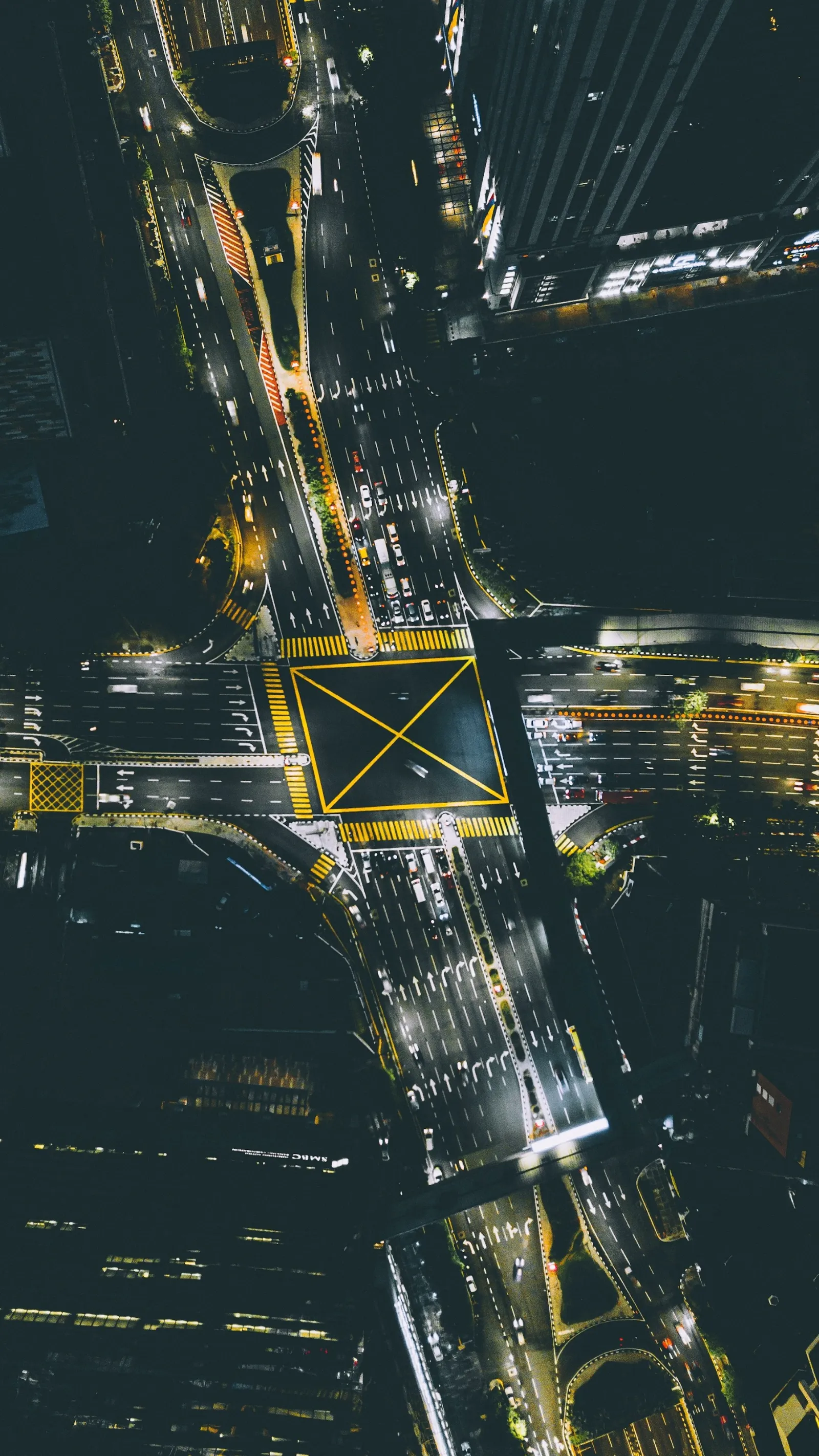
Police use drones to get an aerial view of incidents quickly and safely: searching for missing people and suspects, documenting crash and crime scenes, overseeing large events and protests, and, in drone as first responder programmes, flying to emergency calls before officers arrive. The largest programmes run at scale. Chula Vista Police Department in California, which launched its drone as first responder programme in 2018, passed 25,000 missions in May 2026; on the 17,170 calls where the drone arrived before patrol units, its average response time was about 97 seconds. In the EU, police drone flights fall outside the EASA drone rules and are governed by national law, which also sets privacy safeguards.
This guide covers how police use drones, drone as first responder, equipment and flight times, the rules in the EU and US, privacy and how police deal with rogue drones.
Table of contents
How police use drones
| Use | What the drone does |
|---|---|
| Missing persons | Searches large areas quickly, with thermal cameras at night and in forests |
| Suspect searches | Tracks people fleeing on foot from a safe distance, guiding officers on the ground |
| Traffic collisions | Maps and photographs crash scenes so roads can reopen sooner |
| Crime scenes | Records scenes from above and creates measurable 3D models |
| Public order and events | Gives command a live overview of crowds, routes and incidents |
| Armed or barricaded incidents | Shows the scene without putting officers in the line of fire |
| Disasters and major incidents | Supports fire, rescue and other agencies with live video |
See our guides to drones for search and rescue, drones for crowd control and traffic monitoring with drones.
Drone as first responder
In a drone as first responder (DFR) programme, drones are stationed on rooftops or in docks around a city and launched when an emergency call comes in. A remote pilot flies to the location and streams video to the dispatcher and responding officers, who arrive knowing what to expect. Chula Vista's programme reports that the drone was first on scene on 17,170 calls. Programmes like this depend on BVLOS approval and on drones that can launch automatically. See our guides to drone as first responder and BVLOS with DJI Dock.
Police drone equipment and flight time
| Type | Typical flight time | Best for |
|---|---|---|
| Small, portable drones | About 30 to 45 minutes per battery | Patrol cars, quick deployment, crash scenes |
| Enterprise drones with zoom and thermal cameras | About 40 to 55 minutes per battery | Searches, night operations, major incidents |
| Dock-based drones | Repeated flights with automatic charging | Drone as first responder programmes |
| Tethered drones | Hours, powered from the ground | Long events, sieges, incident command |
| Small indoor drones | Minutes | Checking buildings and confined spaces |
Common payloads include zoom cameras, thermal cameras, spotlights and loudspeakers. For long operations, see our guide to tethered drones and drone live streaming.
Rules for police drones
EU. Flights by or for police, customs, search and rescue and firefighting services in the public interest are outside the scope of the EASA drone rules (Regulation (EU) 2018/1139). Each country sets its own rules for these flights, and many follow EASA principles. France, for example, set out in a 2023 decree when police may use camera drones, including to secure large gatherings.
US. Police operate under Part 107 or a public aircraft certificate of authorisation from the FAA, and many use waivers for night and BVLOS flights. State laws add rules on warrants, data retention and use.
Airspace. Even police flights must be coordinated with air traffic control near airports and with police and rescue helicopters.
For civilian rules, see our guide to EU drone regulations.
Privacy and public trust
Clear purpose. Publish what drones are used for and what they are not used for.
Data rules. Keep footage only as long as needed, restrict access and log use.
Legal basis. Follow data protection law, such as the EU Law Enforcement Directive, and national rules on surveillance.
Transparency. Many agencies publish flight logs or statistics to build public trust.
Police and rogue drones
Police are also responsible for dealing with drones flown illegally, for example near airports, prisons and events. Many forces now have detection systems and powers to take control of or bring down drones in some situations. See our guides to counter-drone systems, counter-UAS training and responding to drone sightings.
Starting a police drone programme
Define the use cases. Searches, collisions, events or first response.
Write policy first. Purpose, privacy rules, data retention and oversight, before buying equipment.
Choose equipment. Match drones and cameras to the use cases, and check supply-chain rules. See our guide to the US foreign drone ban.
Train pilots. Aviation skills, tactical use and evidence handling.
Measure results. Response times, people found, scene clearance times and complaints.
Frequently asked questions
How do police use drones?
For searches, crash and crime scene documentation, events and public order, armed incidents and, in some cities, responding to emergency calls before officers arrive.
How long can police drones stay in the air?
Typically 30 to 55 minutes per battery for most police drones. Docks recharge drones between flights, and tethered drones can stay up for hours.
Do police drones need to follow drone laws?
In the EU, police drone flights are outside the EASA drone rules and follow national law. In the US, police fly under FAA rules, either Part 107 or a public aircraft authorisation.
Can police drones see at night?
Yes. Thermal cameras detect people and vehicles by their heat, and some drones carry spotlights.
What is drone as first responder?
A programme where drones launch from docks or rooftops when an emergency call comes in, reaching the scene before officers and streaming live video to them.


