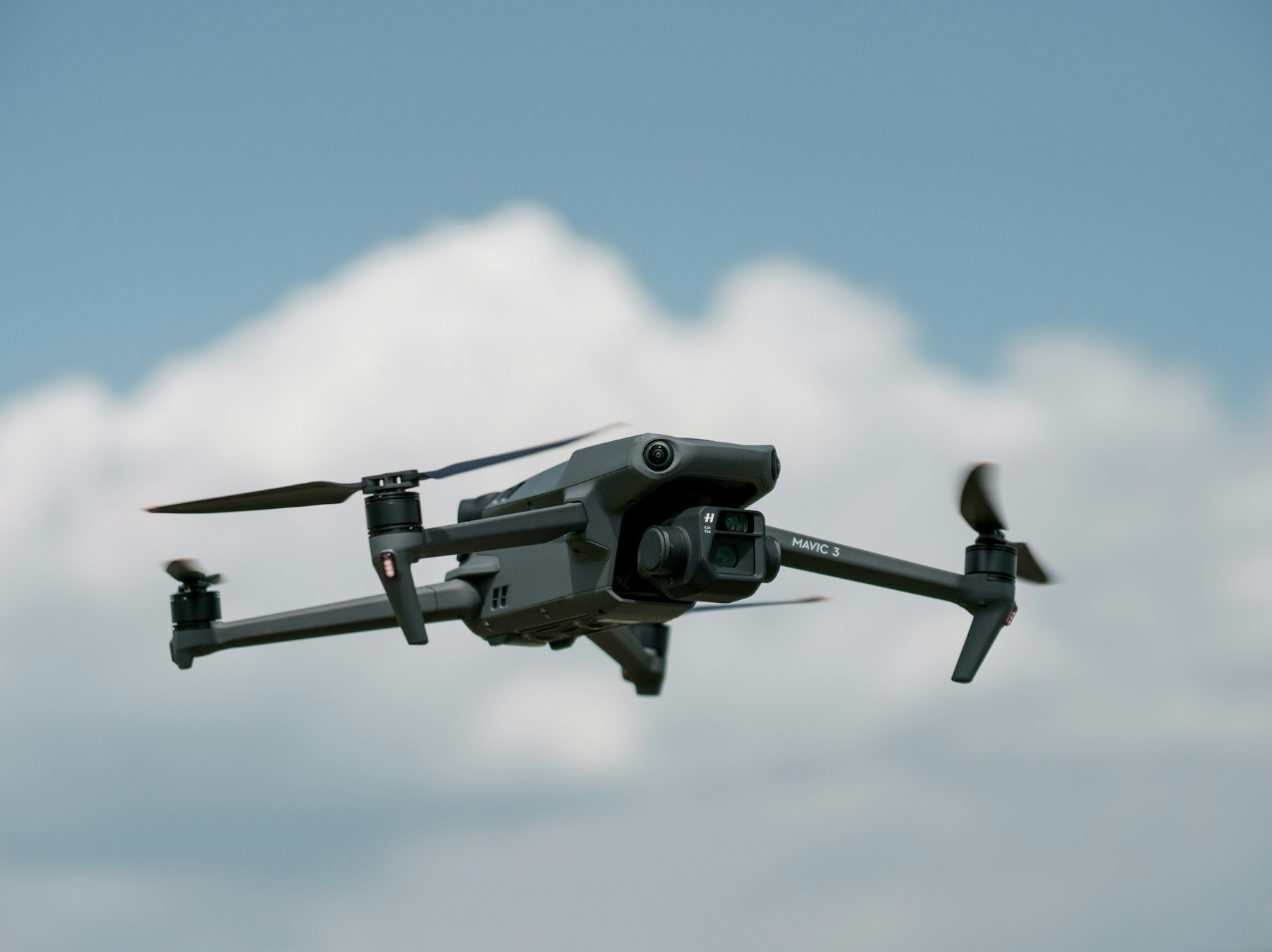
A counter-drone system (C-UAS) detects, tracks and identifies drones flying where they should not, and in some cases stops them. Most systems combine several sensors, such as radio frequency (RF) detectors, radar, cameras and Remote ID receivers, and feed them into one display so an operator can decide what to do. Detection is widely available to airports, prisons, event venues and critical infrastructure. Mitigation, such as jamming, taking control of or physically stopping a drone, is a different matter: in most European countries it is reserved for authorities such as the police, border guards and the military. The risk is real. In December 2018, reported drone sightings closed Gatwick Airport over three days, affecting around 1,000 flights and 140,000 passengers.
This guide explains how counter-drone systems work, the main detection and mitigation methods, the rules in Europe, where they are used and how to plan a counter-drone capability.
Table of contents
How counter-drone systems work
Detect. Sensors notice that something is flying in the protected area.
Track. The system follows the object's position, height and speed.
Identify. It works out whether the object is a drone, which type it is, and whether it is authorised, for example using Remote ID or a list of approved flights.
Decide. A trained operator assesses the threat and follows agreed procedures, often calling the police.
Respond. Depending on the law and who is operating the system, the response may be locating the pilot, alerting staff, pausing operations or, for authorities, stopping the drone.
Detection technologies
| Sensor | How it works | Strengths | Weaknesses |
|---|---|---|---|
| RF detection | Listens for the control and video links between drone and controller | Long range on common drones; can often locate the pilot | Misses drones flying autonomously or using unusual links |
| Remote ID receivers | Read the identification broadcast by compliant drones | Shows the drone's position and often the operator's | Only works on drones that broadcast Remote ID |
| Radar | Bounces radio waves off flying objects | Detects drones whatever their radio link | Small drones and birds look similar; clutter near the ground |
| Cameras (visual and thermal) | Confirm what an object is | Visual confirmation and evidence | Shorter range; affected by weather and light |
| Acoustic sensors | Listen for propeller noise | Useful in quiet, close-range settings | Struggle with background noise |
No single sensor is enough. Combining several, often called sensor fusion, reduces false alarms and gives operators a clearer picture. In the EU, drones with a C1, C2 or C3 class mark must broadcast direct Remote ID, which makes compliant drones easier to identify.
Mitigation: stopping a drone
RF jamming. Blocks the control link so most drones hover, land or return home. It can also disrupt other radio users nearby.
GNSS jamming or spoofing. Interferes with satellite navigation. Highly regulated because of wider effects.
Cyber takeover. Takes control of certain drone models and lands them safely.
Physical capture. Nets fired from the ground or from interceptor drones.
Directed energy. Lasers and high-power microwaves, mainly military.
Every mitigation method carries risks, such as a drone falling on people or interference with other systems, which is why use is tightly controlled. For military uses, see our guide to military ISR drones.
Counter-drone rules in Europe
Detection. Generally allowed for site owners, but systems must follow radio and data protection law, as some sensors collect information about drone pilots.
Mitigation. In most countries, jamming or interfering with a drone is reserved for authorities such as the police, border guards and the military. Private operators and site owners usually detect and report rather than intervene.
EU policy. The European Commission set out measures to counter threats from civil drones in October 2023, backed by Joint Research Centre handbooks on protecting critical infrastructure and public spaces. In February 2026 it presented an Action Plan on Drone and Counter Drone Security, focused on preparedness, detection, coordinated responses and defence readiness.
Recent pressure. Drone sightings temporarily closed several European airports in autumn 2025, including Copenhagen, Oslo and Munich, increasing demand for detection at airports and critical sites.
For the wider rules on drone flights, see our guide to EU drone regulations.
Where counter-drone systems are used
Airports. Detection around runways and approaches. See our guide to drones at airports.
Critical infrastructure. Power plants, data centres, ports and energy sites.
Prisons. Preventing contraband deliveries.
Major events. Temporary detection for concerts, sports and state visits. See our guide to drones for crowd control.
Police and government sites. See our guide to police drones.
Limitations and false alarms
False alarms. Birds, aircraft, balloons and lights are often mistaken for drones, by people and sensors alike. At Gatwick, no drone was ever confirmed despite the disruption.
Legitimate drones. Many drones near a site are flown legally, for inspections, mapping or media. Procedures must separate authorised flights from real threats. See our article on why not every drone is a threat.
Coverage gaps. Buildings, terrain and radio noise create blind spots, especially in cities.
People and procedures. Detection is only useful if trained staff know what to do next.
Planning a counter-drone capability
Assess the threat. What could a drone do at your site: disruption, surveillance, delivery of contraband or an attack?
Survey the site. Map approaches, blind spots, radio noise and where sensors can go.
Choose sensors. Match detection methods to the threat, range and environment.
Agree procedures with the authorities. Decide who is called, when operations pause and how evidence is kept.
Train staff. Operators and security teams need to understand drones, the rules and the response plan. Flyby Guys offers accredited counter-drone awareness training; see also our guide to counter-UAS training.
Test and review. Exercise the system with authorised drone flights and review every alert.
Frequently asked questions
What is a counter-drone system?
A system that detects, tracks and identifies unauthorised drones and, where the law allows, stops them.
Can businesses jam drones?
In most European countries, no. Jamming and other mitigation are usually reserved for authorities. Businesses can use detection and report incidents to the police.
How do counter-drone systems detect drones?
Mainly with RF detectors, radar, cameras, acoustic sensors and Remote ID receivers, often combined for better accuracy.
What is Remote ID?
An electronic identification broadcast by a drone in flight. In the EU, drones with C1, C2 and C3 class marks must broadcast it, which helps authorities identify them.
What happened at Gatwick in 2018?
Reported drone sightings stopped flights over three days in December 2018, affecting around 1,000 flights and 140,000 passengers. No drone was ever confirmed.


