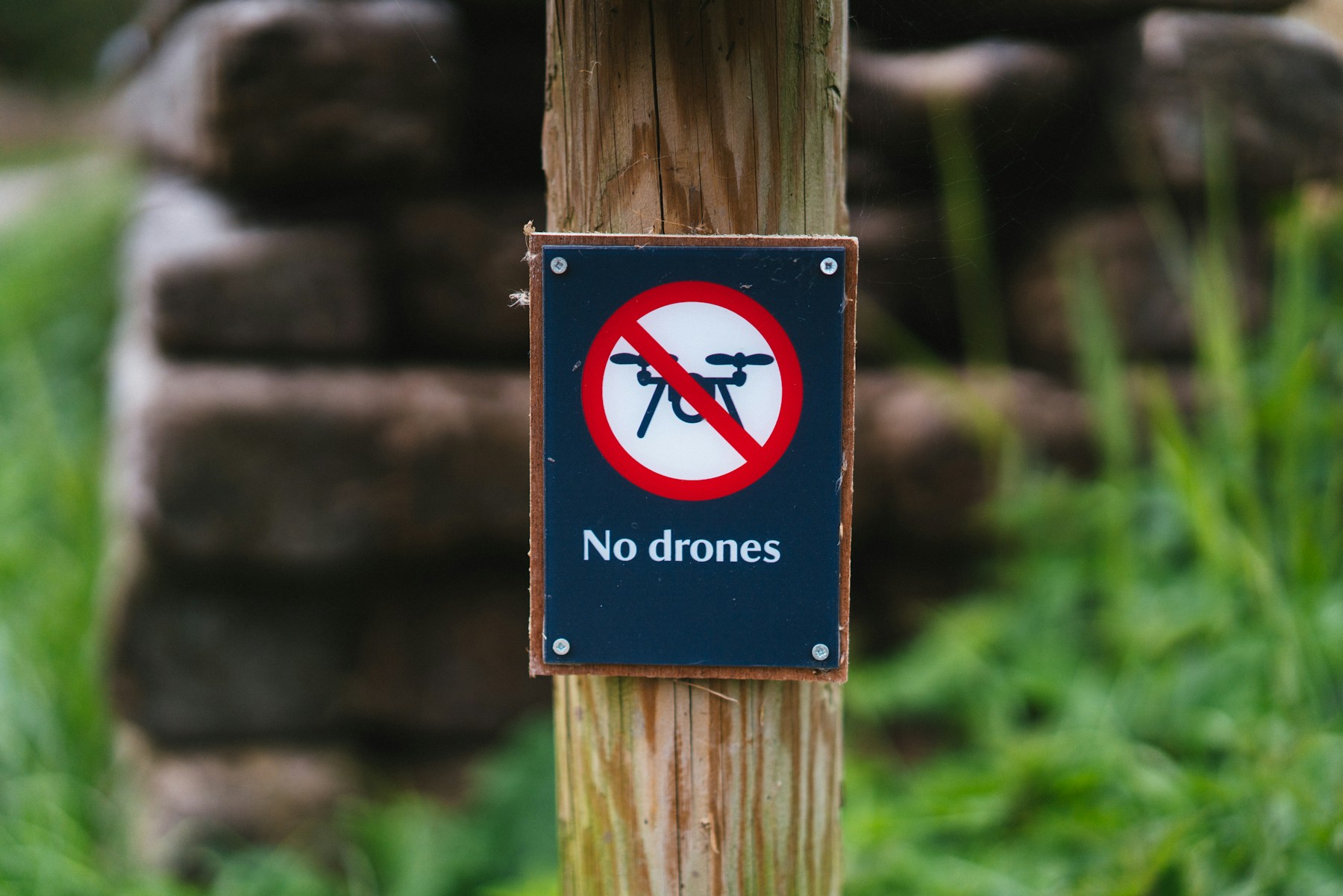
Counter-UAS (C-UAS) training teaches security and operations staff to recognise drone activity, judge whether it is a real threat, and respond safely, proportionately and lawfully. For most businesses, venues and sites, the most valuable training is not about technology that stops drones. It is about awareness and response: knowing the rules, telling a legal flight from a suspicious one, reporting it properly and protecting people, without overreacting or doing something unlawful.
Table of contents
Why training matters more than equipment
Drone activity is increasing across commercial and public spaces, and most of it is legal: inspections, filming, mapping, deliveries and hobby flights. Detection systems can tell a security team that a drone is there. They cannot decide what it means or what to do next. Without the right knowledge, teams either overreact to legitimate operators or fail to respond to a real threat. Our article Report first, ask later? Not every drone is a threat looks at this problem in Finland.
Levels of C-UAS training
Awareness. For security staff, stewards, venue and facilities managers. How drones work, the rules, how to recognise and assess activity, and how to respond and report.
Operator. For staff who run detection systems. Using the equipment, reading the data, false alarms and limitations.
Management. For security and risk managers. Threat assessment, procedures, coordination with police and authorities, and choosing systems.
Specialist. For authorities permitted to use mitigation. These courses are restricted to those organisations.
What a good course covers
Drone legislation. The rules drone pilots must follow, so staff know what is legal and what is not.
Drone anatomy and function. Types of drone, how they are controlled and what they can carry.
C-UAS technologies. Detection, tracking and mitigation methods, with their capabilities, limits and lawful use. See our guide to counter-drone systems.
Legal and ethical issues. Privacy, data protection and proportionate decision-making.
Threats and risk management. Current and emerging threats, threat assessment and site risk management.
Practical scenarios. Applying the knowledge to realistic situations, including speaking calmly and professionally with drone pilots and people filming the site.
What security teams can and cannot do
In most European countries, only authorised bodies such as the police, military or specially permitted organisations may interfere with a drone in flight. Jamming radio or satellite signals, spoofing, or physically bringing a drone down can break aviation, radio and criminal law, and can make a situation more dangerous. What a private security team can usually do is:
Observe and record the drone, its direction and, if visible, the pilot
Protect people and assets on site under its own procedures
Check whether the flight could be legal, for example by asking the pilot or checking for a drone operator ID
Report suspicious activity to the police and, where relevant, the aviation authority
Rules differ between countries, so a course should explain the local position. Drone geographical zones also matter: our no-fly zone guide explains where drones are restricted.
Choosing a course
Accreditation. An accredited qualification gives a recognised, assessed standard rather than just a certificate of attendance.
Practical drone experience. Trainers who fly drones professionally understand how legitimate operators work.
Local law. The course should cover the rules in the country where your team works.
Scenarios. Realistic exercises based on your type of site.
Vendor neutrality. Training that is not tied to one product helps you judge systems on their merits.
Flyby Guys' accredited course
Flyby Guys runs the Level 2 Award in Low Airspace Awareness (Drones and C-UAS), a one-day accredited qualification delivered in partnership with Crowded Space Drones and accredited by Highfield Qualifications. It is designed for security personnel and supervisors, event stewards, venue, site and facilities managers, and operations and risk managers. No prior drone experience is needed.
Duration: 1 day
Location: Antinkatu 3 D, Helsinki, with bespoke delivery available
Assessment: 60-minute multiple-choice exam, 40 questions, 70 per cent pass mark
Result: A nationally recognised Level 2 qualification
See the course page for dates and prices, or contact us to arrange training for your organisation.
Frequently asked questions
Can a private security team take down a drone?
In most European countries, no. Interfering with a drone in flight is generally reserved for authorised bodies. Security teams should observe, protect people and report.
Who needs counter-drone awareness training?
Anyone responsible for safety or security at a site where drones could be a risk: venues, events, critical infrastructure, industrial sites, prisons, ports and offices.
Do you need drone experience to take the course?
No. Awareness courses start from the basics of how drones work and the rules they must follow.
How long does C-UAS awareness training take?
Flyby Guys' accredited awareness course takes one day, including the exam.


