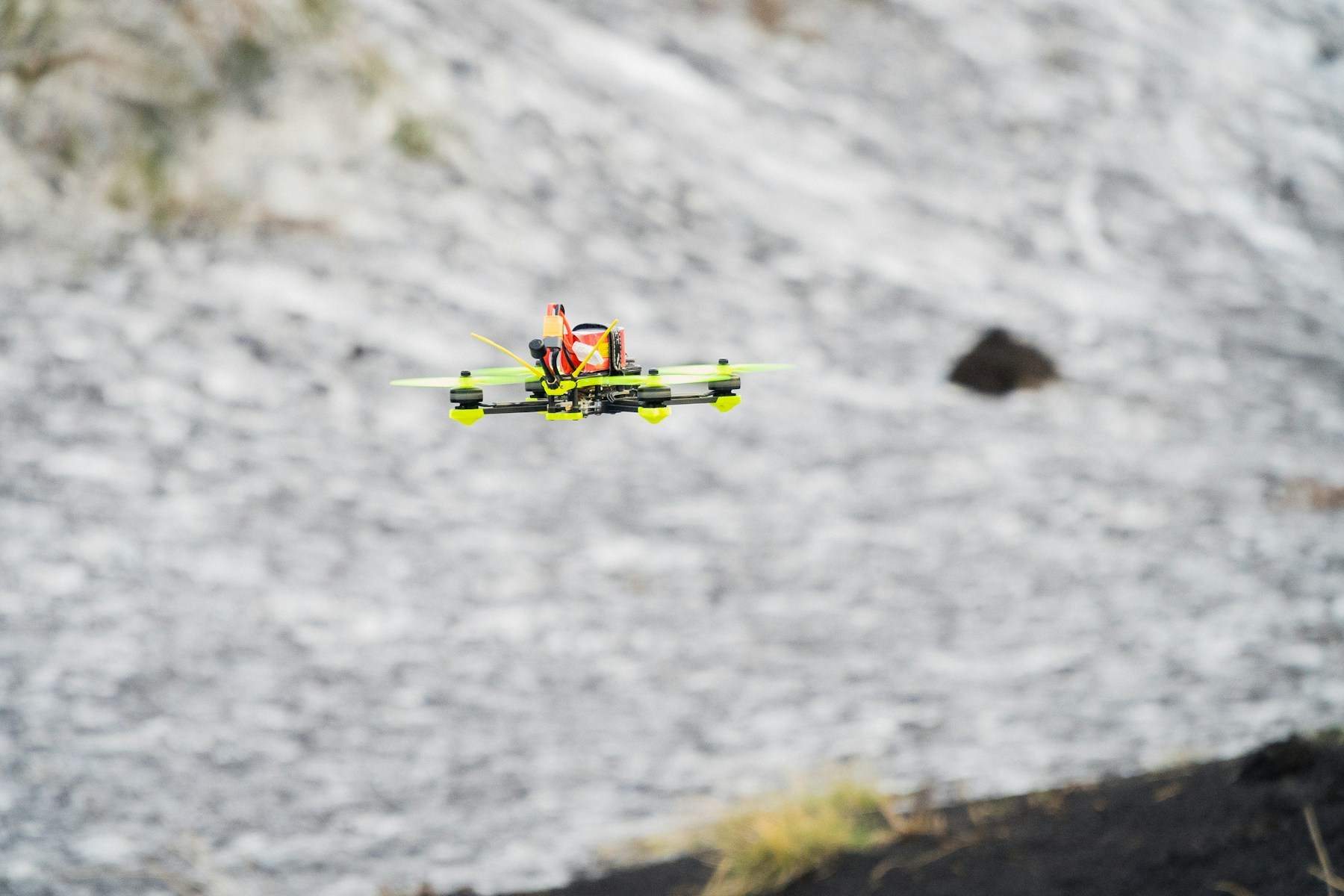
Drone as first responder (DFR) means launching a drone to an emergency call as soon as it comes in, so it reaches the scene before the first patrol car, fire engine or ambulance. Drones wait in docks or on rooftops across a city. A remote pilot flies one to the address and streams live video to the dispatcher and the responding crews, who arrive knowing what to expect. The best-known programme, in Chula Vista, California, has flown more than 25,000 emergency calls. In Europe, DFR is still mostly at the trial stage.
Table of contents
How a DFR call works
The call comes in. A dispatcher decides the call suits a drone, for example a reported crash, fire, missing person or disturbance.
The drone launches. A drone takes off from the nearest dock or rooftop, often within seconds.
It flies straight to the scene. A remote pilot, usually in a control room, flies it beyond visual line of sight, avoiding traffic and roads entirely.
Live video goes to responders. The dispatcher and crews see the scene, the number of people involved and any hazards before they arrive.
The response is adjusted. More resources are sent, the approach is changed, or, if nothing needs attention, crews are freed for other calls.
The drone returns and recharges. It flies back to its dock, ready for the next call.
What a DFR programme needs
Drones with zoom and thermal cameras, and often a spotlight or loudspeaker.
Docks or rooftop launch sites placed so a drone can reach most calls in the area quickly. Docks charge the drone and protect it from the weather. See our guide to BVLOS with DJI Dock.
A remote operations centre where trained pilots fly and monitor several aircraft.
Integration with dispatch, so calls, locations and video reach the right people without delay. See our guide to drone live streaming.
Airspace awareness, including tools to detect other aircraft, especially police, air ambulance and rescue helicopters flying low over the same area.
Procedures and records covering risk, pilot competency, maintenance, incidents and data handling. Our guide to drone operations management platforms explains what to track.
What DFR programmes have achieved
Chula Vista Police Department launched its programme in 2018, at first flying drones from rooftops with pilots on site. By May 2026 it had deployed drones on more than 25,000 emergency calls. The drone arrived before ground units on 17,170 of them, with an average response time of about 97 seconds on those calls. On 4,629 calls, no patrol officers were needed, roughly one call in five.
In the UK, the National Police Chiefs' Council runs a BVLOS pathways programme to bring DFR into policing. In August 2024, a trial in Norfolk launched a drone from a rooftop box to a simulated missing-person search, one of four DFR trials around the country. Hampshire and Isle of Wight Constabulary and Thames Valley Police later used a DFR drone at the Isle of Wight Festival to check road closures, in what they described as the first use of the technology in a live environment.
Uses beyond policing
Fire and rescue. A first view of a fire's size, spread and hazards, and thermal imaging to find hot spots.
Search and rescue. Starting a search for a missing person within minutes of the call. See our guide to drones for search and rescue.
Traffic incidents. Seeing the scene and queues to plan closures and diversions. See traffic monitoring with drones.
Events. Rapid checks across large festival and stadium sites. See drones for crowd control.
Industrial sites. Security and safety teams at large sites, ports and energy facilities use the same docked-drone model for alarms and patrols. See site security with drones.
For a wider view of how police use drones, see our guide to police drones.
Rules for DFR in Europe and the US
EU. Flights by or for police, search and rescue and firefighting services in the public interest fall outside the EASA drone rules, and each country sets its own rules for them. Other organisations running docked, remote operations, such as site security, fly in the specific category and need an operational authorisation based on a risk assessment such as SORA. See our guide to EU drone regulations.
UK. Police drone operations work with the Civil Aviation Authority, and BVLOS flights need its approval. The NPCC programme aims to build the regulator's confidence in routine BVLOS policing flights.
US. Agencies fly under Part 107 or a public aircraft certificate of authorisation, using FAA waivers for BVLOS flights. State laws add rules on privacy, warrants and data retention.
Wherever you are, DFR flights share airspace with crewed aircraft. Check restrictions with our no-fly zone guide or Drone Assistant.
Starting a DFR programme
Set the purpose. Decide which call types the drone will attend and which it will not.
Write the policy first. Privacy, data retention, oversight and public reporting, agreed before buying equipment.
Map the coverage. Use call data to choose dock locations that reach the most calls in the shortest time.
Get the approvals. BVLOS permission, airspace coordination with air traffic control and helicopter operators, and landowner agreement for each dock site.
Train the team. Remote pilots, dispatchers and front-line crews all need to know how the drone fits into a call.
Start small and measure. Begin with a few docks, track response times and outcomes, and publish the results.
Flyby Guys supports organisations preparing for BVLOS and remote drone operations, from procedures and risk assessments to pilot training and regulatory approvals. See our drone consultancy or contact us.
Limits and concerns
Weather. Strong wind, heavy rain, snow and icing ground drones when they might be needed most. See our drone weather guide.
Range and battery. Each dock covers a limited area, so city-wide coverage needs many sites.
Privacy and trust. Cameras flying over neighbourhoods raise real concerns. Clear rules, published flight logs and limits on recording help keep public support.
Noise. Frequent flights over the same streets can annoy residents.
Cost and staff. Docks, drones, software, approvals and trained remote pilots all have to be funded long term.
Frequently asked questions
What is a drone as first responder programme?
A programme that sends a drone to emergency calls as soon as they come in, so responders get live video of the scene before they arrive.
How fast does a DFR drone arrive?
In Chula Vista, the average was about 97 seconds on calls where the drone arrived before patrol units.
Is drone as first responder used in Europe?
Mostly in trials so far. UK police have tested it through the NPCC BVLOS programme, and other European forces are exploring docked drones.
Do DFR drones replace officers?
No. They give responders information faster. On some calls, the video shows that nobody needs to attend, which frees crews for other emergencies.


