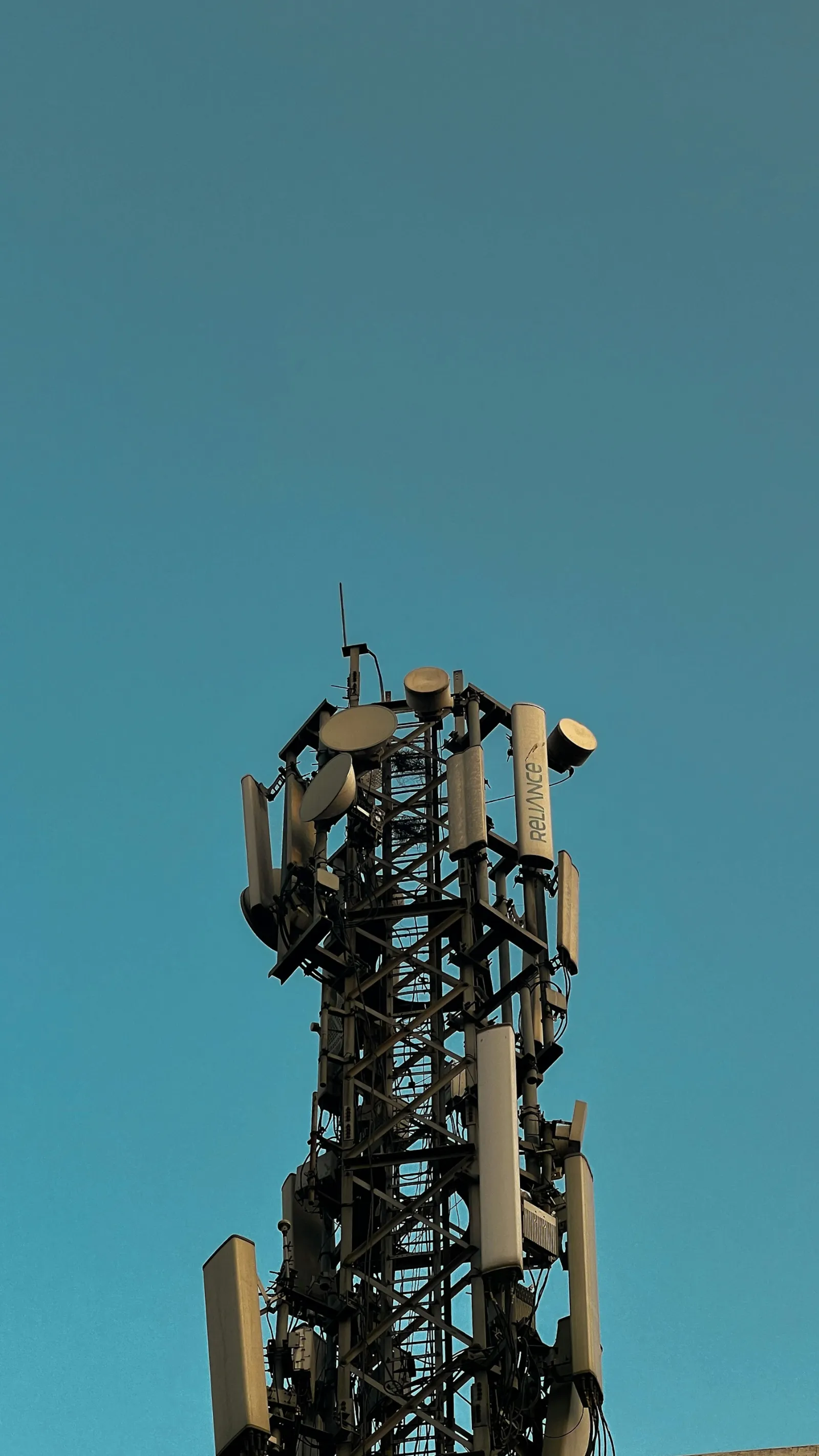
After a storm, flood or fire, drones help telecom operators restore networks faster by checking damaged towers, masts, fibre routes and access roads from the air within hours, so crews know what is broken, what to bring and which sites are safe to reach. Tethered drones can also carry temporary cell equipment to restore coverage while towers are repaired. The scale of the problem can be huge: when Hurricane Helene hit the south-eastern US in 2024, FCC figures showed more than 4,500 cell sites out of service at one point, and about 74% of sites in the affected North Carolina counties were offline.
This guide covers how drones fit into telecom disaster recovery, damage assessment, temporary coverage, planning before a disaster, the rules for emergency flights and building more resilient networks.
Table of contents
How drones help in telecom disaster recovery
| Phase | What drones do | Benefit |
|---|---|---|
| First hours | Check towers, masts and equipment shelters; scout access roads | Know which sites are damaged and reachable before sending crews |
| First days | Detailed inspections of antennas, mounts, feeders and structures; fibre route patrols | Right parts and crews sent first time; fibre breaks found faster |
| Temporary service | Tethered drones carrying cell equipment; mapping sites for temporary masts | Coverage for responders and residents while repairs continue |
| Repair | Progress checks and post-repair inspections | Fewer climbs and confirmation that work is complete |
| Insurance and reporting | Dated images and 3D models of damage | Evidence for insurers, regulators and planning |
Rapid damage assessment
After a disaster, roads may be blocked and towers may be unsafe to climb. A drone can inspect a tower from top to bottom in a single flight, showing bent or missing antennas, damaged mounts and cables, structural deformation and debris, while the crew stays on the ground. Thermal cameras show equipment that is still powered or overheating, and video of the surroundings shows whether access roads, bridges and power lines are passable.
The value is in prioritising. Instead of sending climbers to every site, operators can rank sites by damage and importance, send crews with the right equipment to the worst-hit sites first and restore the most users soonest. Our guide to telecom tower inspections with drones covers routine inspections, and Flyby Guys provides Tower Assessment 3D (TA-3D) models that can serve as a pre-disaster baseline. For buildings and sites hit by storms or floods, see our drone damage assessment service.
Temporary coverage from the air
Tethered drones get power and data through a cable from the ground, so they can stay up for long periods. Carrying cell equipment, they act as a temporary mast. After Hurricane Maria in 2017, the US Federal Aviation Administration approved AT&T's tethered Flying COW (cell on wings) drone in Puerto Rico; flying at up to 200 feet, it was designed to cover about 40 square miles. AT&T later used similar drones after Hurricane Ida in Louisiana in 2021.
Aerial coverage is a stop-gap: it covers a limited area, needs power and a backhaul link on the ground, and depends on weather. It is most useful for responders, shelters and areas where towers will take longest to repair. See our guide to tethered drones.
Preparing before a disaster
Baseline models. 3D models and inspection records of critical towers make damage easy to see and measure after an event.
Priority lists. Rank sites by the users, emergency services and other networks that depend on them.
Agreements in place. Have drone teams, in-house or contracted, ready with agreed procedures, insurance and authorisations.
Airspace plans. Know which sites are in restricted zones and how to get emergency permission quickly.
Data workflows. Decide in advance how images and findings reach the network operations centre and field crews.
Exercises. Include drone flights in disaster recovery exercises so they work under pressure.
Rules for emergency flights
In the EU, flights by or for police, fire and rescue services in the public interest fall outside the EASA drone rules and are covered by national rules. Telecom operators and their contractors usually fly under the normal rules, so many disaster flights, especially beyond visual line of sight or near people, need the specific category and an operational authorisation. Disaster areas often have temporary airspace restrictions to protect rescue helicopters, so flights must be coordinated with the authorities. In Finland, Flyby Guys announces its flights in Fintraffic Sky, which also shows other air traffic such as rescue helicopters. See our guide to EU drone regulations and our no-fly zone guide.
Using drone data to build resilience
Learn from damage. Images of what failed, such as antenna mounts, cable routes or shelters, show where designs need strengthening.
Check vegetation and hazards. Regular flights along fibre and power routes show trees and slopes that could fail in a storm. See our guide to powerline inspection with drones.
Plan backup sites. Aerial surveys help choose locations for backup masts, generators and temporary equipment.
Keep records up to date. Accurate models of every tower speed up both repairs and insurance claims.
Limitations
Weather. Strong wind, heavy rain and smoke can ground drones in the first hours after a storm. See our guide to drone weather limits.
Airspace. Rescue operations take priority, and permissions can take time.
Communications. Drones that rely on mobile networks for control or data transfer may need other links when networks are down.
Repairs still need people. Drones speed up assessment and planning; climbers and technicians still make the repairs.
Frequently asked questions
How are drones used in telecom disaster recovery?
To inspect damaged towers and fibre routes quickly, check access roads, provide temporary coverage with tethered drones, and document damage for repairs and insurance.
Can a drone act as a temporary cell tower?
Yes. Tethered drones carrying cell equipment have been used after hurricanes, such as AT&T's Flying COW in Puerto Rico in 2017, to restore coverage over a limited area.
Do drones replace tower climbers after a disaster?
No. They show what is damaged and whether a tower is safe, so climbers are sent only where needed and with the right equipment.
Do emergency drone flights need permission?
Usually. Telecom operators and contractors follow the normal drone rules, and disaster zones often have temporary airspace restrictions. Flights for emergency services fall under national rules.
How can operators prepare drones for disasters?
Build baseline 3D models of critical towers, agree drone teams and procedures in advance, plan airspace permissions and include drones in recovery exercises.


