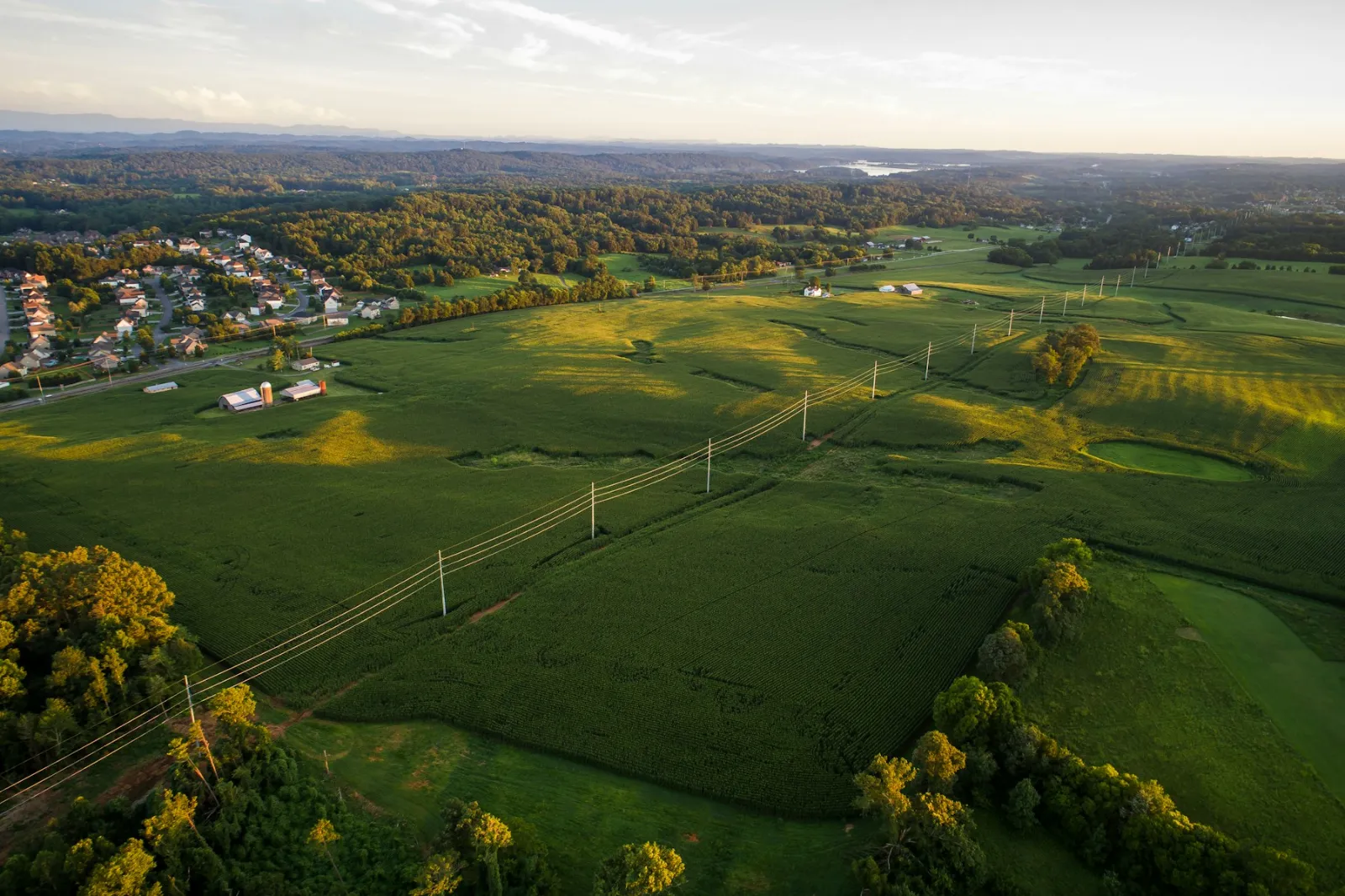
Drones inspect overhead power lines by flying along the line and around each tower with high-resolution, thermal and LiDAR sensors, finding damaged insulators, hot joints, corrosion and encroaching trees without helicopters or climbers. The approach is proven at network scale in the Baltics and Nordics: in Estonia, all of Elektrilevi's medium-voltage lines are inspected by drone, and the speed and cost of inspection fell to about a third of the former method. In Finland, Flyby Guys has trained to install Insplan's IoT line sensors by drone, a job that used to need a helicopter.
This guide explains the types of drone powerline inspection, how they are flown, how they compare with helicopters and foot patrols, real examples, the limits and the rules in Europe. Flyby Guys inspects power lines across the Nordics; see our drone power line inspection service.
Table of contents
Types of drone powerline inspection
| Inspection | Sensor | What it finds |
|---|---|---|
| Close visual inspection | High-resolution zoom camera | Cracked or broken insulators, damaged hardware, corrosion, bird nests |
| Thermal inspection | Thermal camera | Overheating joints, clamps and components under load |
| Corridor mapping | LiDAR | Conductor sag and clearances, tower positions, terrain |
| Vegetation management | LiDAR or photogrammetry | Trees growing towards the conductors, priorities for clearing |
| Storm and emergency survey | Camera, often long-range drones | Fallen trees, broken lines and damaged towers after storms |
| Sensor installation | Drone with a release mechanism | Fitting monitoring devices to live lines without a helicopter |
How a powerline inspection is flown
Plan the route. Map the towers and spans, check airspace and landowners along the corridor, and agree stand-off distances from the conductors with the network owner.
Choose the method. Tower-by-tower inspections fly close orbits with a zoom camera. Corridor surveys fly along the line with LiDAR or cameras, often beyond visual line of sight.
Capture consistently. The same angles and settings at every tower make defects easier to spot and compare over time.
Analyse. AI tools flag likely defects in thousands of images, and engineers confirm and grade them.
Report into asset systems. Findings are tied to tower IDs and locations so repair crews know exactly where to go and what to bring.
For the thermal side of this work, see our thermal inspection service. The same capture and analysis approach is used on masts; see our guide to telecom tower inspections.
Drones vs helicopters vs foot patrols
| Drones | Helicopters | Foot or vehicle patrols | |
|---|---|---|---|
| Detail at each tower | Very high, from close range and any angle | Good, from further away | Limited to what can be seen from the ground |
| Distance covered per day | Moderate, more with BVLOS | Very high | Low |
| Safety | No crew in the air near the lines | Crew flying low near conductors | Walking under damaged lines after storms |
| Noise and disturbance | Low | High | Low |
| Best for | Detailed inspections, thermal checks, targeted surveys | Long transmission corridors at speed | Short sections and access-limited checks |
Examples from the Nordics and Baltics
Elektrilevi, Estonia. Estonia's largest distribution network operator began testing drone inspection with Hepta Airborne in 2017. Its medium-voltage lines are now fully inspected by drone, and it reports that inspection speed and cost fell to about a third of the former method.
Järvi-Suomen Energia, Finland. In 2020 the Finnish distribution company began testing drones to inspect lines after storms, so workers no longer have to walk under loose or broken conductors to find the damage.
Insplan and Flyby Guys, Finland. Insplan makes IoT sensors that monitor snow and ice loads on power lines, and used to install them by helicopter. Flyby Guys trained its team to fit the sensors by drone, which is cheaper, safer and easier to scale, and is set to support wider deployments. Read the Insplan case study.
Substations and smart grid monitoring
The same tools extend to the rest of the network. Thermal flights over substations show overheating equipment, and repeat surveys feed digital records of network assets. As grids add sensors, such as Insplan's ice-load monitors, drones also become a way to install and maintain the monitoring equipment itself. Ageing assets make this more pressing: the US Department of Energy notes that 70% of transmission lines and power transformers there are more than 25 years old.
Limitations
Long distances. Covering long corridors efficiently needs BVLOS flights, which require authorisation.
Weather. Wind, icing and short winter days limit flying in the Nordics. See our guide to drone weather limits.
Electromagnetic interference. Strong fields near high-voltage lines can affect a drone's compass and links, so crews keep agreed distances.
Data volume. A single line can produce tens of thousands of images, so analysis tools and clear defect criteria matter.
Hands-on work. Drones find and document problems; line crews still make the repairs.
Rules in Europe and Finland
Short, tower-by-tower inspections in rural areas can sometimes be flown in the EU open category. Corridor inspections that follow the line beyond visual line of sight, flights near people or roads, and work close to critical infrastructure usually need the specific category, with an operational authorisation based on a SORA risk assessment. Our guide to BVLOS operations covers the process, and our no-fly zone guide explains how to check airspace.
In Finland, Traficom is the aviation authority, and Flyby Guys announces its flights in Fintraffic Sky, the national drone traffic service. For the wider framework, see our guide to EASA drone regulations.
Frequently asked questions
How do drones inspect power lines?
Drones fly along the line and around each tower with zoom, thermal or LiDAR sensors. The images and scans are analysed to find damaged components, hot spots, sag and vegetation encroachment.
Are drones replacing helicopters for powerline inspection?
For detailed and distribution-level inspections, often yes. Helicopters still cover long transmission corridors quickly, so many network owners use both.
Can drones inspect live power lines?
Yes. Inspections are normally flown with the line energised, keeping agreed safety distances from the conductors.
Can drones fly beyond visual line of sight along power lines?
Yes, with an authorisation. In the EU, BVLOS corridor flights normally fall in the specific category and need a risk assessment and approval from the national authority.
What can thermal drones find on power lines?
Overheating joints, clamps and other components that show up as hot spots under load, often before they fail.


